Does your dog need a winter coat?
Updated October 5, 2026
Small, short-coated, lean, senior and hairless dogs and young puppies usually need a coat in cold weather, while healthy adults with thick double coats, such as huskies, usually do not. A common AKC rule of thumb is to consider a sweater or coat for a short-haired dog below 45°F (7°C) and to keep walks short below freezing. Pick a coat that covers the belly, and swap it for a dry one when it gets wet.
Which dogs need a coat
Cold tolerance depends on coat, body fat, size, activity and health, so dogs that weigh the same may need different layers. These dogs usually benefit from a coat or sweater:
- Small and toy breeds such as Chihuahuas and Yorkshire terriers, which lose heat quickly from small bodies
- Lean, short-coated dogs such as greyhounds and whippets
- Hairless breeds, and dogs clipped short, including poodles kept in a short trim
- Short-legged dogs such as dachshunds and corgis, whose bellies touch snow and ice
- Puppies, seniors, and dogs with conditions such as arthritis, diabetes or kidney disease
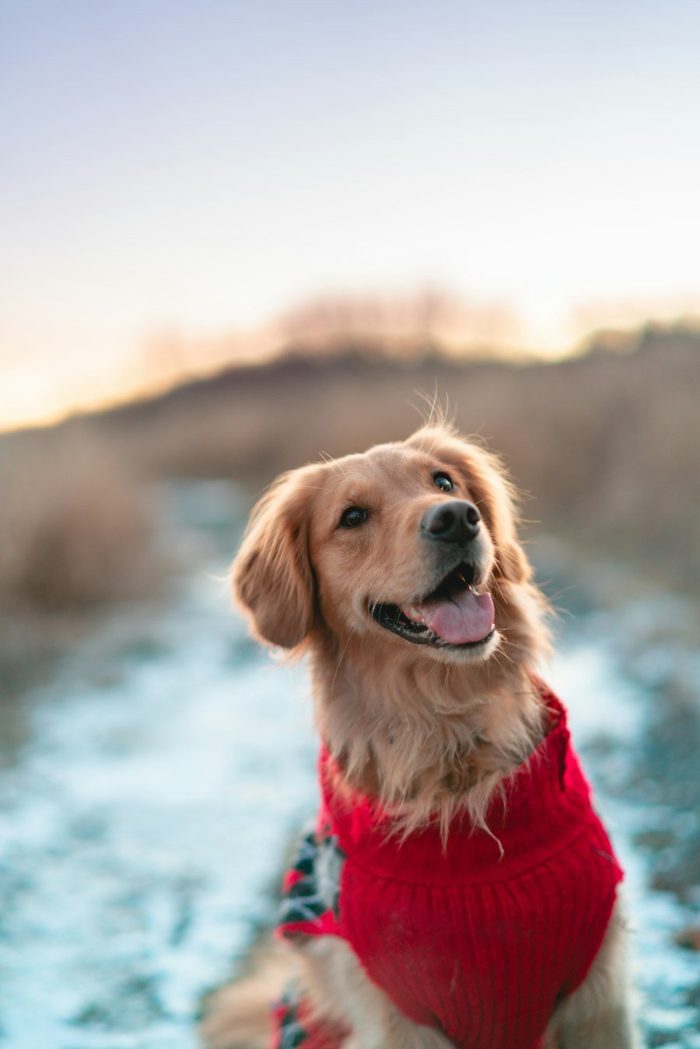
Breeds with thick double coats, such as Siberian huskies, Alaskan malamutes and Bernese mountain dogs, were bred for cold and usually stay warm without one. A healthy adult golden retriever or Shiba Inu also has a dense double coat, so a sweater on one is mostly for looks unless the dog is old, clipped or unwell.
How cold is too cold?
There is no single cut-off. A Tufts veterinarian notes that some dogs play in the snow for hours while others shiver after a few minutes. These AKC rules of thumb are a starting point:
| Temperature | What to do |
|---|---|
| Below 45°F (7°C) | Consider a sweater or coat for short-haired dogs, and count wind chill. |
| Below 32°F (0°C) | Keep outings short. For small breeds, AKC suggests no more than 10 to 15 minutes at a time. |
| Below 32°F (0°C), thick double coat | Medium and large double-coated breeds can usually stay out 30 minutes to an hour. |
| Wind chill below 20°F (-7°C) | Keep play to 15 to 20 minute sessions, with warm-ups indoors in between. |
Head inside if your dog shivers, whines, lifts its paws, slows down, refuses to keep walking or looks for somewhere to burrow. The AVMA and VCA list these as early signs of hypothermia.
Sweater, coat or puffer?
| Layer | Good for | Limits |
|---|---|---|
| Knit sweater | Dry, cool days and chilly rooms | Soaks up snow and rain, and a wet knit makes a dog colder |
| Fleece-lined coat | Everyday winter walks | Check that it covers the chest and belly, not just the back |
| Padded (puffer) coat | Long walks below freezing | Bulky on very small dogs, so pick a slim one with a water-repellent shell |
| Four-leg suit or snowsuit | Snow, slush and short-legged dogs | Hardest to put on, so size it carefully by back length |
VCA's fit test is that a coat covers the back, chest and belly while your dog still moves freely, and it suggests waterproof jackets outdoors. The AVMA suggests keeping more than one, so your dog always goes out in a dry layer, because a wet sweater or coat can make a dog colder. To measure back length and chest girth, follow the dog clothes size guide.
Paws, ice and de-icing salt
Paws meet the cold first. The AVMA warns that de-icers picked up on the feet, legs and belly can poison a dog that licks them off, and AKC notes that rock salt irritates paw pads.
- Wipe the feet, legs and belly after every walk, including between the toes. A Tufts veterinarian says a damp washcloth is enough.
- Booties keep salt and ice off the pads, and the AVMA stresses that they must fit properly. Practice indoors first.
- On long-haired dogs, trim the hair between the toes so ice balls cannot build up.
- Check the pads for cracks or bleeding. AKC says a little petroleum jelly can soften dry pads; wipe off the excess so your dog does not lick it.
Planning winter walks
Walk in the warmest part of the day, and swap one long walk for two or three short ones when it is below freezing. After snow, towel your dog dry, belly included, as soon as you get in. On cold, rainy days, the raincoat guide explains what makes a shell water-repellent.
Picks from the Pawlooks catalog
 Illustration
 Illustration
 Illustration
 Illustration
 Illustration
 Illustration
Prices and sizes change. Check the listing before you order.
Pawlooks can show a padded coat, a knit or a four-leg suit on a photo of your dog. It shows the chest measurement it estimates and sizes each product by its own chart, and adding your dog's weight improves the match. Treat it as a guide, not a guarantee, and check the listing before ordering.
Frequently asked questions
What temperature is too cold to walk a small dog?
AKC suggests keeping a small dog's outings to 10 to 15 minutes at a time once it drops below 32°F (0°C), with a coat on. Wind, wet fur and old age make it feel colder, so shorten walks further on those days.
Do long-haired dogs need winter coats?
Not always, but a long coat is not always a warm one. Small long-haired dogs such as Yorkshire terriers still lose heat fast because of their size, and any dog clipped short loses its coat's insulation.
Is a padded coat warmer than fleece?
For long walks below freezing, a padded coat with a water-repellent shell keeps working when it snows. Fleece is fine for short, dry walks, but it is not waterproof, and the AVMA warns that a wet coat can make a dog colder.
Do dogs need boots in winter?
Not every dog, but boots help on salted sidewalks, ice and deep snow, and for dogs with cracked or sensitive pads. If your dog will not wear them, wipe and dry its paws after every walk.